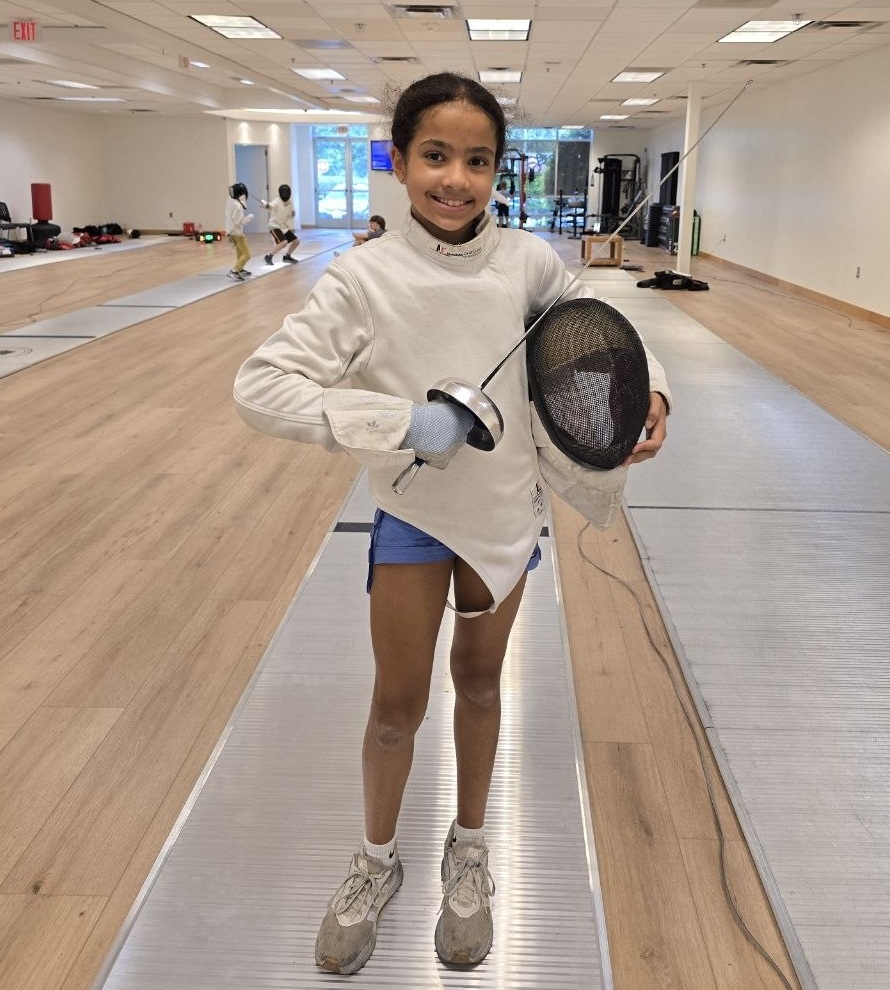
What Is the Best Age for Kids to Start Fencing
What Is the Best Age for Kids to Start Fencing?
Premature specialization, excessive training demands, and unnecessary competitive pressure may reduce enjoyment and increase the risk of burnout. At ASER International Fencing Academy, our philosophy emphasizes progressive development and helping athletes build the foundations necessary for long-term participation and improvement. How Fencing Supports Children's Physical and Mental Development Fencing offers much more than learning how to use a sword. It provides a challenging environment in which children can practice physical, cognitive, and social skills.
Physical Development
Fencing involves coordinated movements that challenge balance, agility, reaction time, and body control.
Regular participation can contribute to physical fitness and help children develop movement skills that are valuable in other sports and daily activities.
Concentration and Decision-Making
During fencing, athletes must observe their opponents, evaluate situations, and make decisions quickly.
These activities provide opportunities to practice attention, anticipation, and strategic thinking.
Confidence and Resilience
Learning new skills, overcoming challenges, and experiencing gradual improvement can help children build confidence. Fencing also teaches athletes to manage mistakes, adapt to changing situations, and continue working toward their goals.
Discipline and Sportsmanship
Through structured practice and competition, children learn the importance of respect, responsibility, patience, and consistent effort. These qualities can support personal development beyond the fencing environment.
Choosing the Right Fencing Academy for Your Child regardless of the age at which a child begins, choosing the right coaching environment is essential. Parents should look for a fencing academy that offers:
Experienced and knowledgeable coaches.
Age-appropriate training programs.
A safe and supportive learning environment.
Strong emphasis on fundamental techniques.
Individualized attention to athletic development.
Opportunities for recreational and competitive participation.
At ASER International Fencing Academy, we believe every child deserves the opportunity to discover their potential. Located in Sterling, Virginia, our academy serves families throughout Sterling, Ashburn, Herndon, Reston, and surrounding Northern Virginia communities. Our programs welcome beginners as well as athletes interested in pursuing competitive fencing.
Expert Coaching and Long-Term Athlete Development at ASER
ASER International Fencing Academy is led by Coach Saeid Serajian, a former national team head coach with extensive international coaching experience and a Ph.D. in Neuromuscular Exercise Physiology.
His background in coaching and exercise science helps shape ASER's approach to technical instruction, physical preparation, and long-term athletic development.
Our coaching philosophy recognizes that young athletes need more than repetitive practice.
They benefit from structured instruction, appropriate physical challenges, progressive skill development, and an environment that encourages confidence and motivation. Whether a child begins fencing at age 6, 9, 12, or later, our objective is to help each athlete establish a strong foundation and progress according to their individual abilities and goals.
Frequently Asked Questions About Starting Fencing:
What is the ideal age to start fencing?
For many children, ages 6 to 9 are an excellent time to begin introductory fencing lessons. However, readiness and interest are more important than a specific age.
Is fencing safe for young children?
Fencing can be a safe and enjoyable sport when taught with appropriate protective equipment, qualified supervision, and age-appropriate instruction. As with any sport, injuries are possible, so proper safety procedures are essential.
Does my child need previous sports experience?
No. Beginners can learn fencing without previous athletic experience.
Can a 10-year-old start fencing and become competitive?
Yes. Children who begin fencing at age 10 or later can develop strong skills and participate in competitive fencing. Progress depends on training quality, consistency, motivation, and individual development.
How do I know whether fencing is right for my child?
The best approach is to allow your child to experience an introductory lesson or trial program. This provides an opportunity to explore the sport and determine whether they enjoy the training environment.
Start Your Child's Fencing Journey at ASER International Fencing Academy
There is no single perfect age to begin fencing.
The best time to start is when your child is interested, developmentally ready, and excited to learn.
Whether your child is 6, 9, 12, or older, fencing can provide a rewarding opportunity to develop physical skills, confidence, discipline, and strategic thinking.
At ASER International Fencing Academy, we welcome young athletes who are ready to discover this exciting Olympic sport.
Try Fencing for Free!
ASER International Fencing Academy offers a two-week free trial for new students, allowing children to experience fencing before committing to a regular training program.
No previous fencing experience is required.
ASER International Fencing Academy
Sterling, Virginia
Serving Sterling, Ashburn, Herndon, Reston, and surrounding Northern Virginia communities.
CHAMPIONS TRAIN HERE.